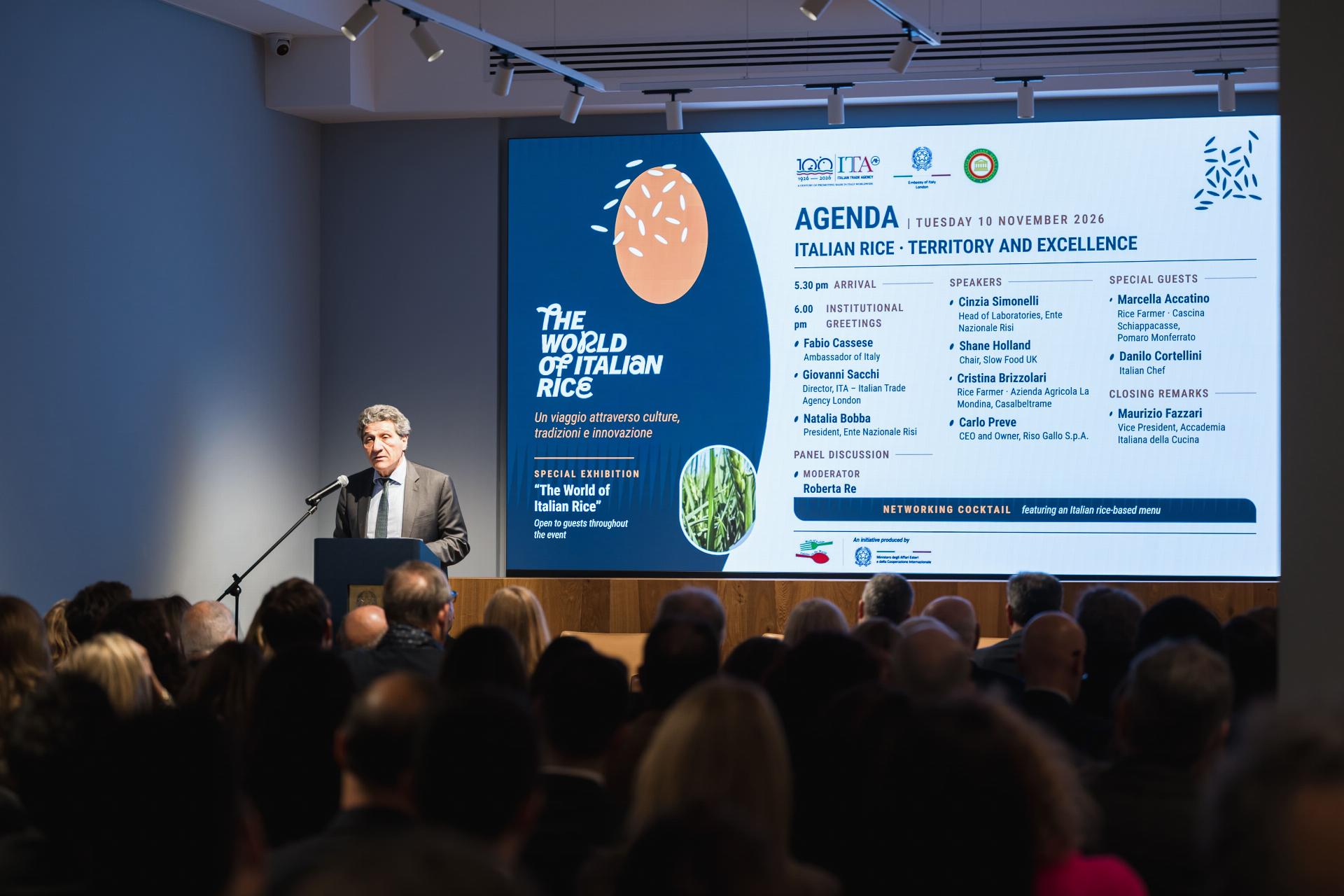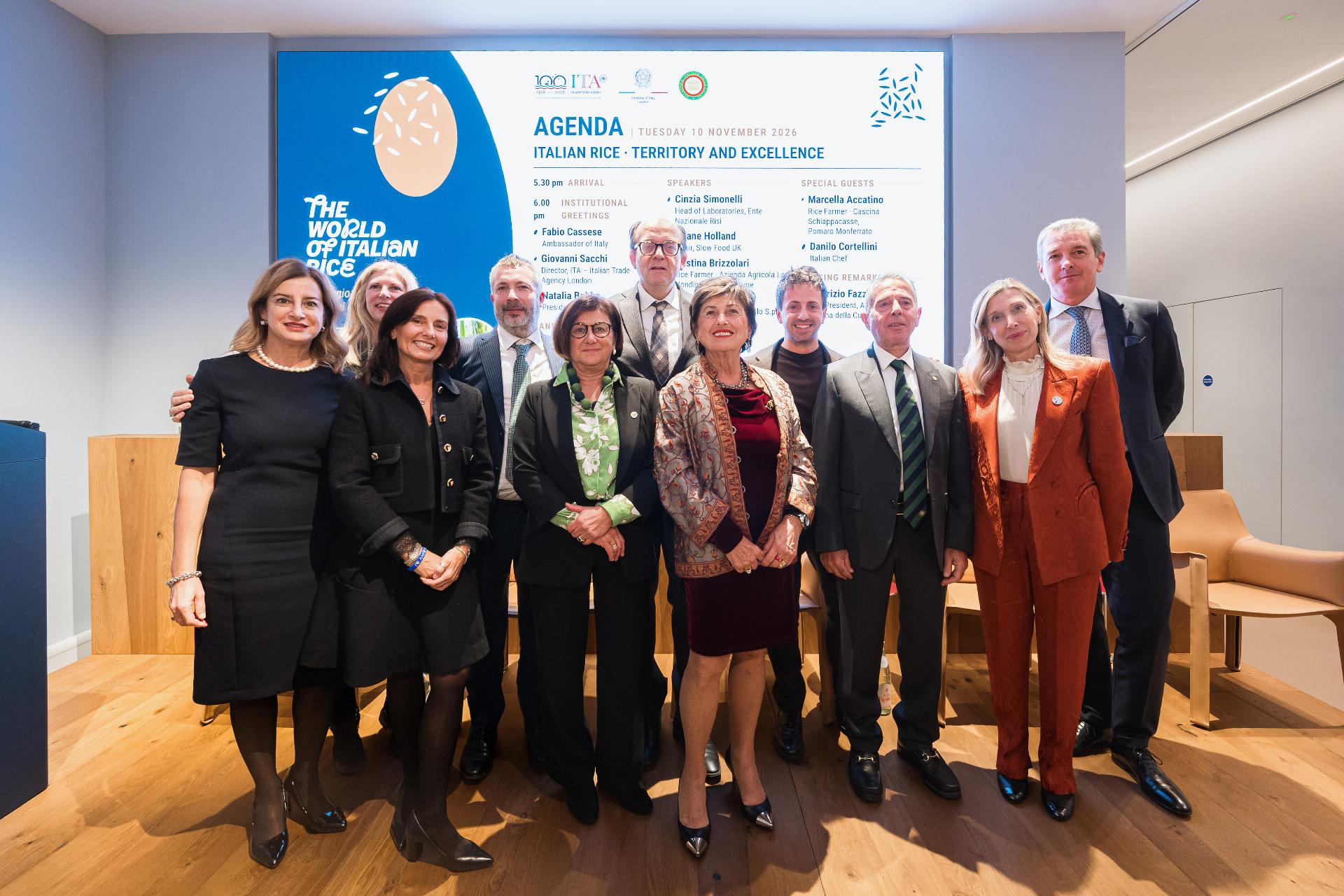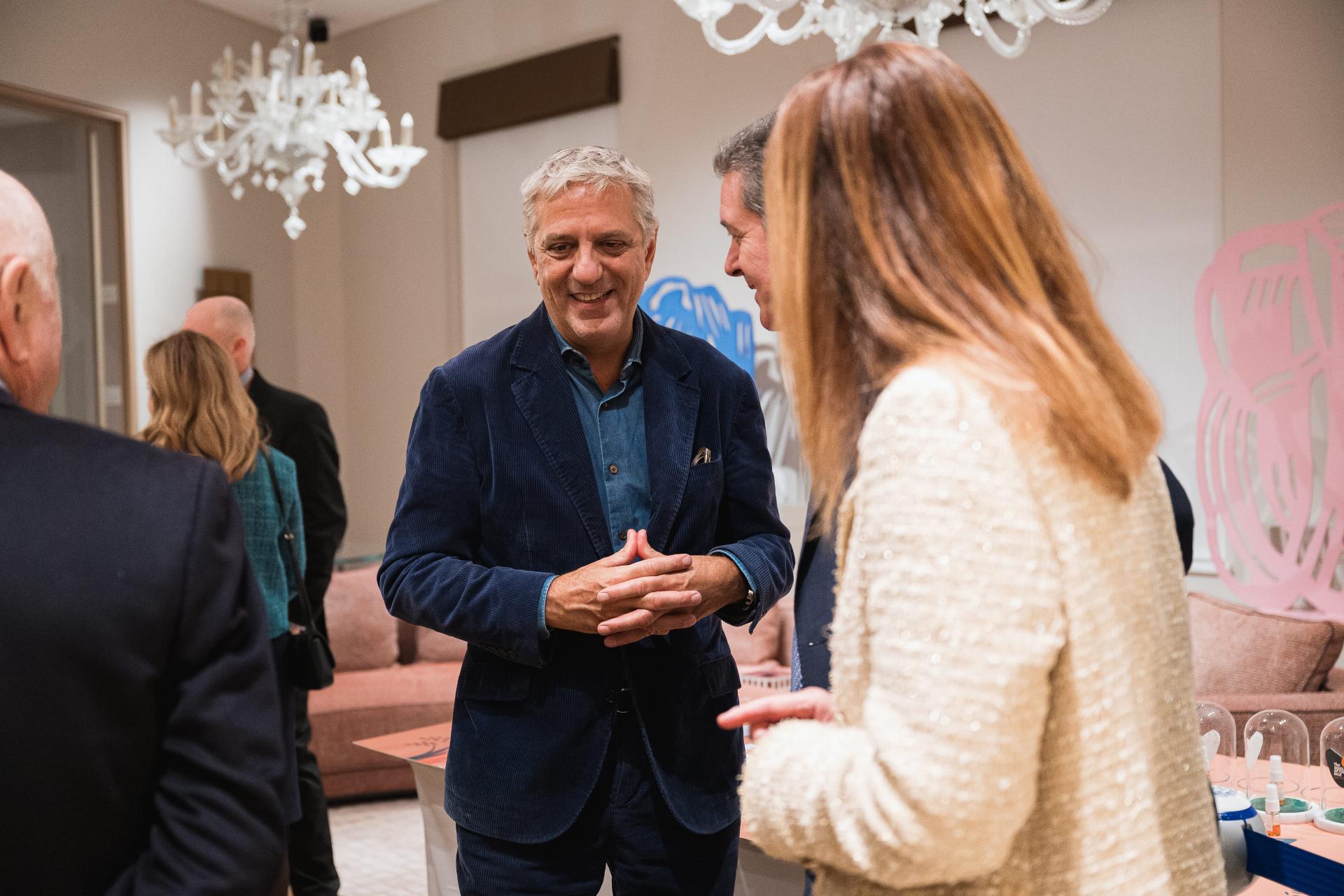
Less than a year after UNESCO recognised Italian cuisine as intangible cultural heritage, the Embassy of Italy in London put one of its cornerstones in the spotlight. Italian Rice: Territory and Excellence, organized at Casa Italia by the Agrifood attaché with ITA – Italian Trade Agency and the Italian Academy of Cuisine, traced Italian rice from paddy field to plate for an audience of UK buyers and distributors, policymakers, trade press, restaurateurs and members of the Italian community.
The event was part of the 2026 Italian Cuisine Week in the World and a way to celebrate the UN, giving space to women’s entrepreneurship in agriculture.
Risotto is a fixture on British menus, yet the territories, varieties and farming families behind it are far less known. Italy is Europe’s leading rice producer, with around half of EU output, grown on some 232,000 hectares concentrated in Piedmont and Lombardy. The UK is one of the main export markets for Italian rice.
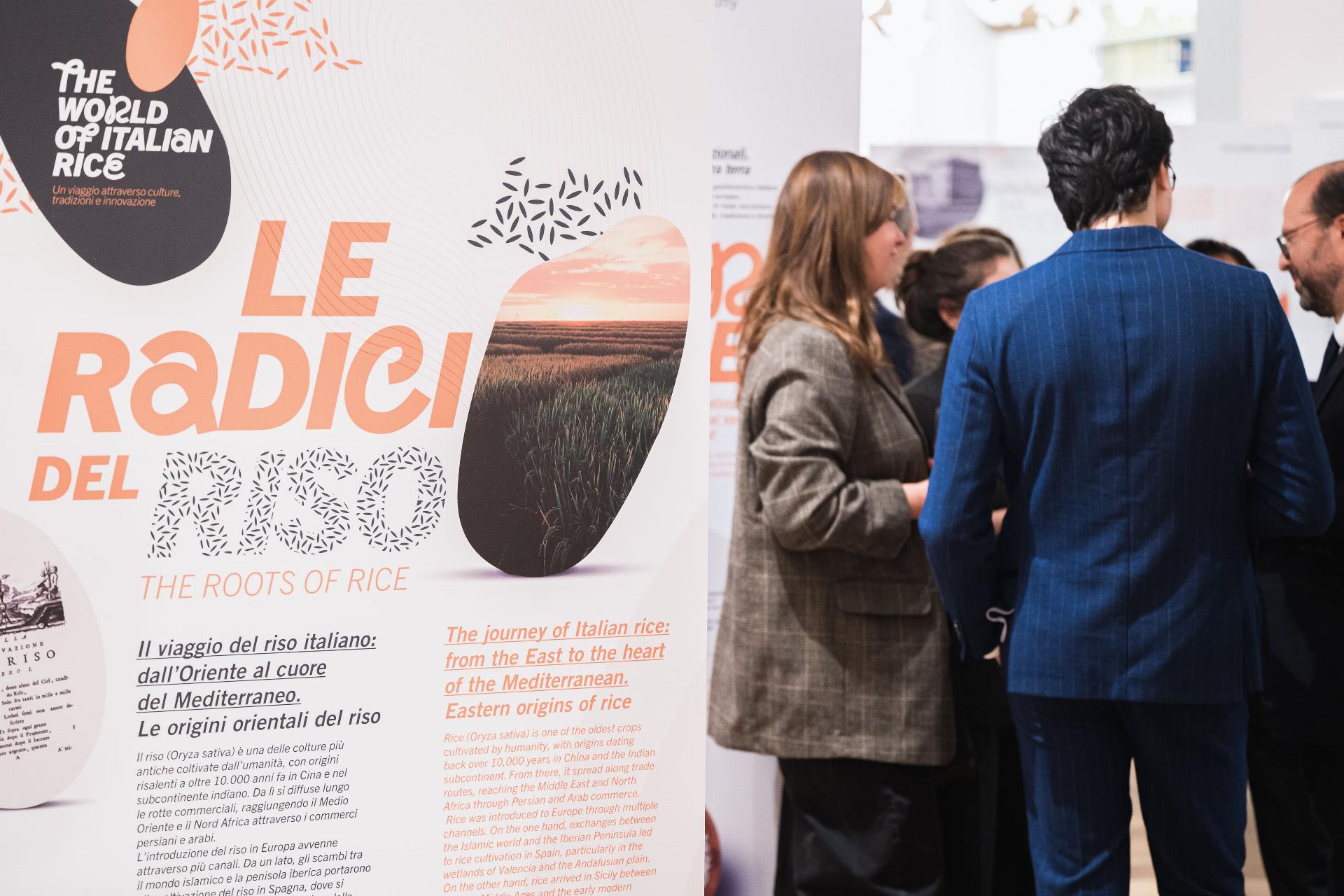
Guests explored the grains up close, comparing varieties and their uses in the kitchen, alongside The World of Italian Rice, an exhibition promoted by the Italian Ministry of Foreign Affairs and International Cooperation. The exhibition also shows how the sector is meeting new challenges. Paddy fields work as a water-management system: they hold water in spring, reuse it from field to field, recharge aquifers and create wetland habitats for biodiversity. Genetics, including genome editing, is helping develop varieties more tolerant of drought, salinity and disease.
Opening the evening, Ambassador Fabio Cassese said that rice shows why Italian cuisine is now UNESCO heritage: “Behind every risotto is a territory, a variety and a farming family. We want UK consumers, buyers and diners to know that story.”
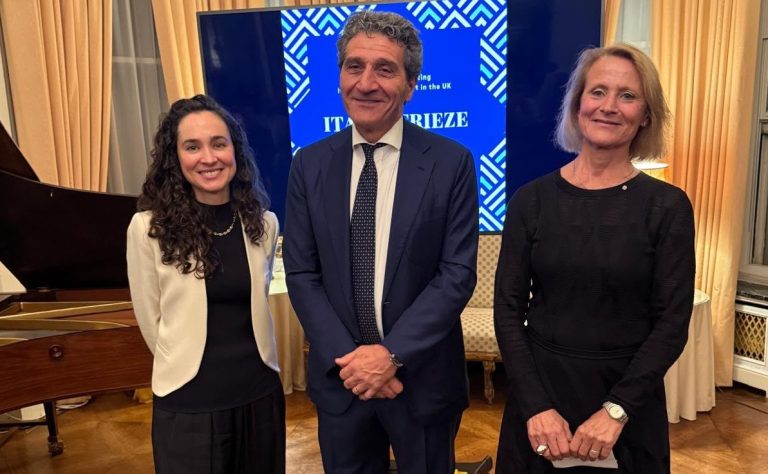
Following institutional greetings from Giovanni Sacchi, Director of ITA – Italian Trade Agency London; Natalia Bobba, President of Ente Nazionale Risi; and Maurizio Fazzari, Vice President of the Accademia Italiana della Cucina, guests enjoyed an engaging discussion on Italian rice in all its aspects.
From farm to fork
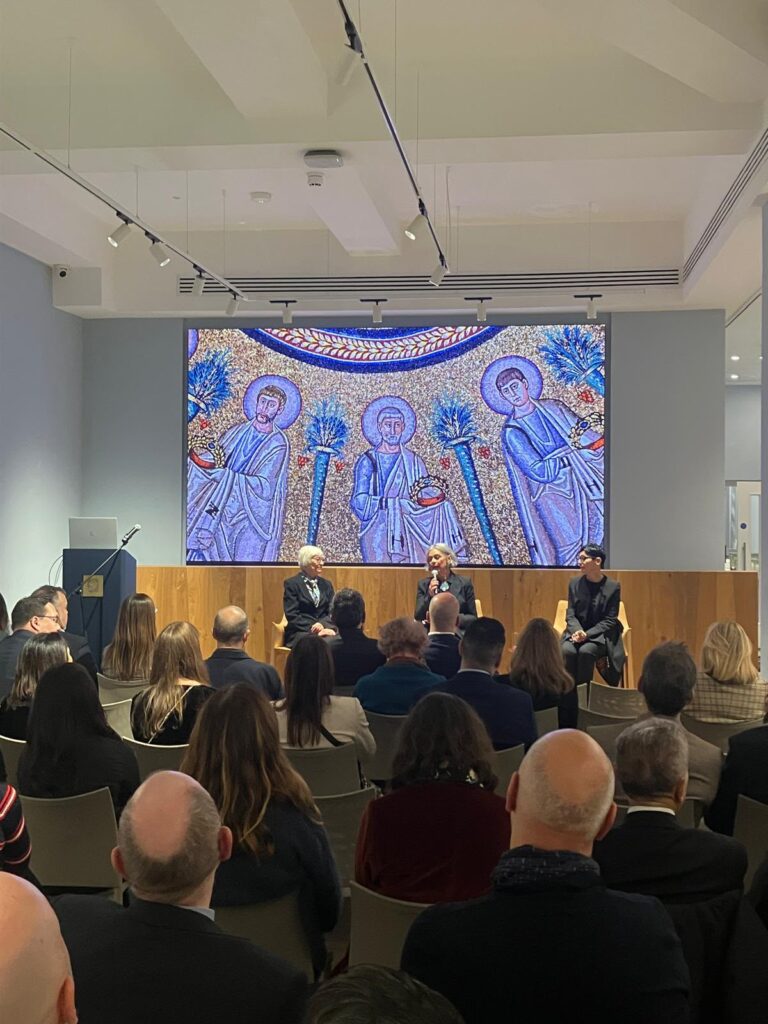
A panel moderated by Roberta Re (Director, Cambridge Food Science) brought together Cinzia Simonelli (Ente Nazionale Risi), Shane Holland (Chair, Slow Food UK), Cristina Brizzolari (Azienda Agricola La Mondina, Casalbeltrame) and Carlo Preve (CEO, Riso Gallo).
Speakers started from territorial identity: traditional varieties such as Carnaroli, Arborio and Vialone Nano; geographical indications such as Riso di Baraggia Biellese e Vercellese PDO and Riso del Delta del Po PGI; and hundreds of lesser-known varieties. They then addressed the pressures on the sector and the routes forward, from water stewardship and paddy-field biodiversity to premium positioning. Nutrition – the Mediterranean diet, gluten-free diets and wholegrain rice – ran throughout.
Chef Danilo Cortellini closed the discussion with the view from the kitchen, the final link in the chain, and the evening ended with a networking reception and an Italian rice menu he prepared. Particularly compelling was the testimony of Marcella Accatino, a third-generation rice farmer from Monferrato area.
The event is part of the Embassy’s wider work with Team Italy in the UK to build recognition for Italy’s quality agri-food supply chains and strengthen their position in the British market.