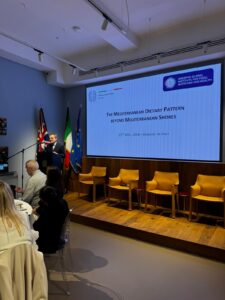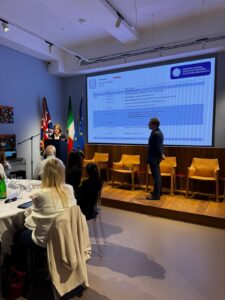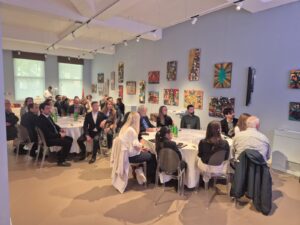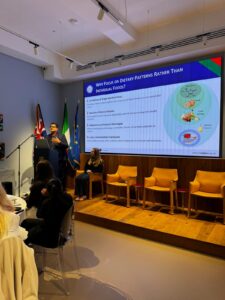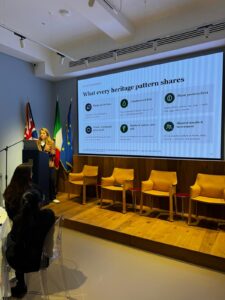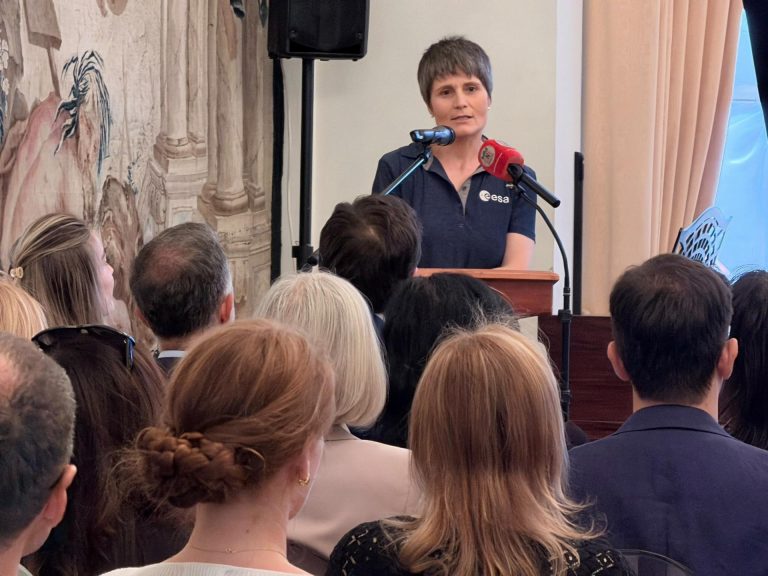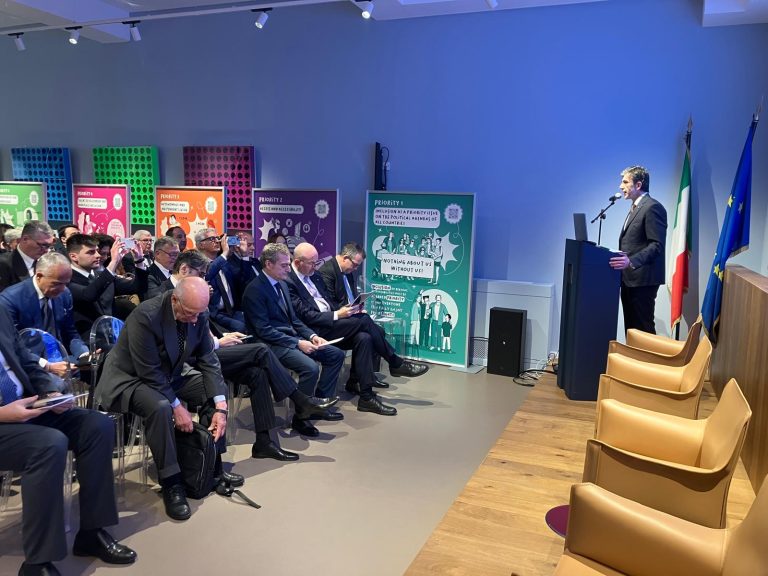
London , 21 April 2026- The Embassy of Italy in the United Kingdom and the NNEdPro Global Institute for Food, Nutrition and Health co-hosted the scientific event “The Mediterranean Dietary Pattern – Beyond Mediterranean Shores.” The event brought together researchers, clinicians, policy actors, and food-systems stakeholders to examine the latest evidence on the Mediterranean Diet, address methodological challenges in dietary-pattern science, and lay the groundwork for a “Mediterranean Diet Scientific Forum.” – a dedicated scientific body that will return to the global community the full public health value of a UNESCO World Heritage.
The session explored how Mediterranean Diet research informs broader dietary-pattern science, identified current opportunities and highlighted gaps, and built consensus around the institutional structures needed to support a dedicated scientific forum. “Recognised by UNESCO as an Intangible Cultural Heritage of umanity, the Mediterranean Diet represents not only a nutritional model of global significance but also a living expression of sustainable food culture”, said the Deputy Head of Mission Min. Riccardo Smimmo in his opening remarks, adding “the Mediterranean diet offers insights that can inform global approaches to nutrition and public health, well beyond the Mediterranean region. The cooperative effort of today’s event aims precisely to look beyond geographical boundaries, reflect on current evidence and gaps, and explore how Mediterranean diet research can contribute to broader dietary-pattern science”.
According to Prof Sumantra (Shumone) Ray, Chief Scientist and Executive Director of the NNEdPro Global Institute for Food, Nutrition and Health: “Nowadays in the digital age and also with the advent of artificial intelligence there is an overwhelming amount of information as well as misinformation on diet often with a focus on single nutrients or specific foods. The reality is that we don’t eat nutrients or foods in isolation but tend to follow dietary patterns linked with lifestyle. One of the most studied dietary patterns in the world is currently the Mediterranean diet from which we intend to learn and apply transferable principles for population health beyond Mediterranean shores. I am delighted that this forum and its inceptional event kindly hosted by the Embassy of Italy in the UK will bring these topics to the fore and enable us to garner scientific understanding in this area to better serve society.”
A position shared by other speakers: Gabriella Manfredi, Agricultural attaché at the Embassy, Federica Amati, Nutrition lead at Imperial college, Roberta Re, Director at Cambridge Food Science, Francesco Giurdanella and Sarah Armes, from NNEdPro.
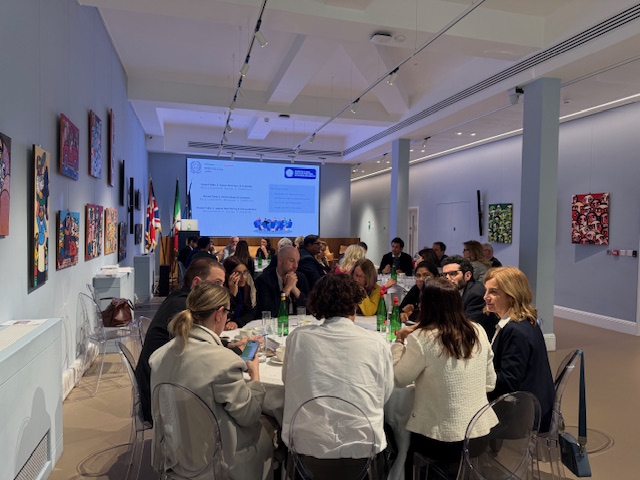
All the participants brainstormed, through roundtables discussion, on the future developments of the joint initiative, by: examining how Mediterranean Diet research can contributes to understanding dietary patterns and health outcomes more broadly; exploring the principles of the modern Mediterranean Diet and evaluating its application in public health and clinical practice settings; shaping the foundations of a new scientific forum dedicated to advancing Mediterranean dietary-pattern research for human health; and promoting collaborative scientific dialogue between Italy and the United Kingdom.